
Predictive Maintenance for SMB Manufacturers Without the Enterprise Price Tag
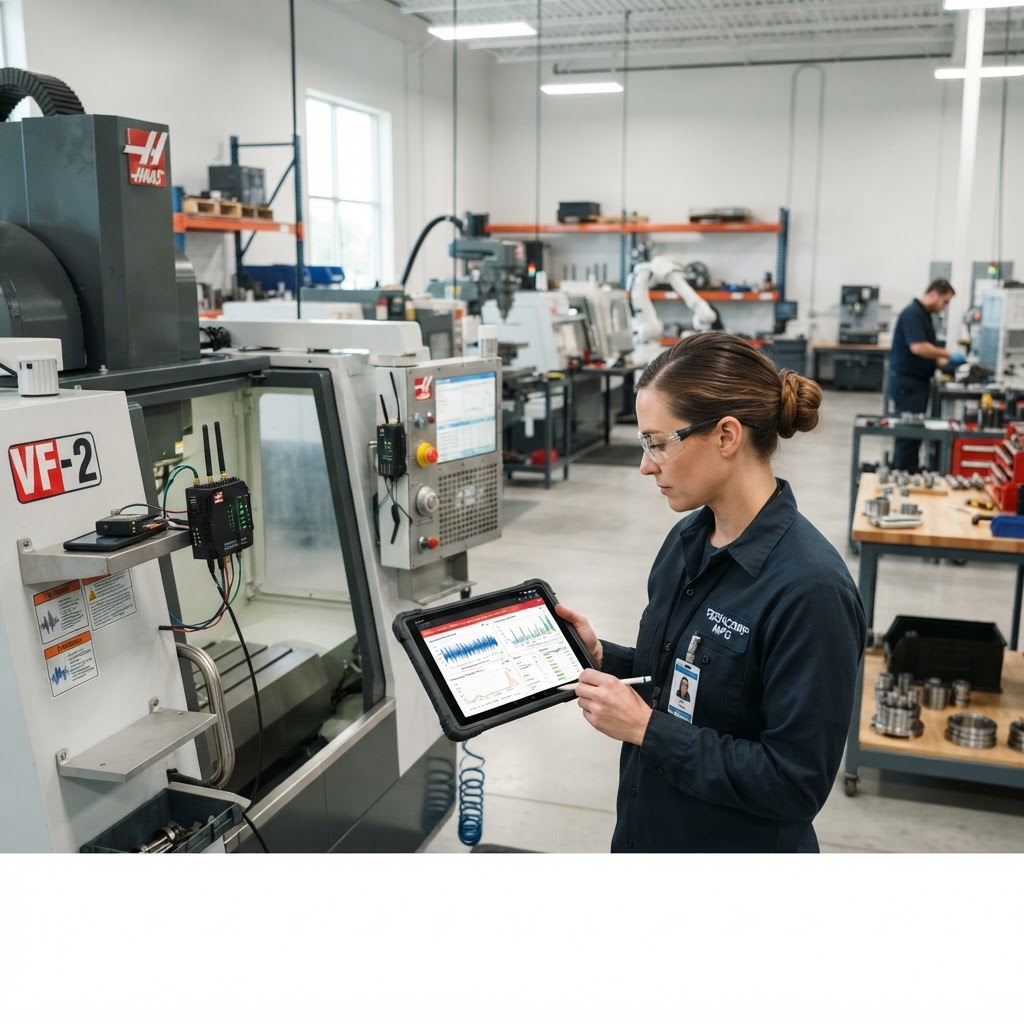
Why Predictive Maintenance Matters for SMB Manufacturers
For small and mid-sized manufacturers, unplanned downtime is expensive, disruptive, and often preventable. A single machine failure can delay orders, create overtime costs, waste materials, and frustrate customers. The challenge is that many SMBs assume predictive maintenance for manufacturers is only realistic for large enterprises with deep budgets, modern equipment, and dedicated data teams.
That’s no longer true. Today, predictive maintenance is much more accessible thanks to retrofit IoT sensors and Predictive Maintenance as a Service (PdMaaS) offerings. Instead of replacing reliable legacy equipment or launching a long, expensive pilot program, SMB manufacturers can add monitoring to existing machines and start getting useful insights quickly. In many cases, the monthly cost can stay under $500, making it a practical step toward better uptime and smarter maintenance planning.
Skip the Hardware Rip-and-Replace
One of the biggest barriers to adoption is the assumption that predictive maintenance requires brand-new machinery. For many manufacturers, that simply isn’t realistic. Capital budgets are tight, and older machines often still perform well when maintained properly.
This is where retrofit IoT for manufacturing becomes valuable. Retrofit sensors can be installed on existing equipment to monitor vibration, temperature, power consumption, runtime, and other indicators of machine health. That means you can modernize your maintenance strategy without replacing the assets your business depends on.
For SMBs, this approach offers several advantages:
- Lower upfront cost than purchasing new smart equipment
- Faster deployment with less operational disruption
- Better visibility into aging but still productive machines
- A practical path to digital transformation without a large capital project
If your team is dealing with recurring breakdowns on compressors, motors, pumps, CNC machines, conveyors, or other critical assets, retrofit monitoring can help identify warning signs before failure happens. Instead of waiting until a machine stops, you can schedule maintenance based on actual condition.
Avoid Pilot Purgatory With a Focused PdMaaS Strategy
Many SMB manufacturers get stuck in what’s often called “pilot purgatory.” They test a new technology on one machine or one line, gather some data, but never turn it into a repeatable business process. The result is a lot of effort with very little payoff.
A better option is PdMaaS, or Predictive Maintenance as a Service. Rather than building everything in-house, SMBs can work with a provider that helps manage the sensors, analytics, alerts, and reporting. This reduces complexity and makes it easier to move from trial to results.
To avoid pilot purgatory, start with a narrow, high-value use case:
- Choose one or two critical machines where downtime is especially costly.
- Track a few meaningful metrics like vibration, temperature, or energy draw.
- Define what success looks like such as fewer breakdowns, lower emergency repair costs, or improved production uptime.
- Create an action plan so alerts lead to maintenance decisions, not just more dashboards.
This kind of focused rollout helps you prove value quickly. Once you show that predictive maintenance can reduce downtime or extend equipment life, it becomes much easier to expand the program across other machines.
Get Enterprise-Grade Reliability on an SMB Budget
The good news for smaller manufacturers is that machine monitoring and predictive maintenance no longer require a massive software contract or a full internal engineering team. With the right mix of affordable sensors and a managed service model, enterprise-grade machine reliability is now within reach.
For under $500 a month in many entry-level scenarios, SMBs can often access:
- Remote monitoring for critical assets
- Automated alerts for abnormal machine behavior
- Basic trend analysis and reporting
- Guidance on when to inspect or service equipment
- A scalable foundation for broader manufacturing analytics
That price point makes predictive maintenance more than a tech experiment. It becomes a business decision with measurable return. Even preventing one major failure can justify the investment, especially when you consider the full cost of downtime: lost production, delayed shipments, rush parts, technician overtime, and customer impact.
When evaluating options, SMB manufacturers should ask practical questions:
- How easily does this solution work with existing equipment?
- What is included in the monthly service cost?
- How are alerts delivered and prioritized?
- Will my team understand what action to take?
- Can we expand the program without starting over?
Simple, actionable answers matter more than flashy features. The goal is not to collect more data for its own sake. The goal is to keep machines running, reduce surprises, and improve operational confidence.
How to Start Small and See Results Fast
If you’re exploring predictive maintenance for SMB manufacturers, the best first step is to keep the scope manageable. You do not need to instrument your entire shop floor on day one.
Start by identifying equipment with one or more of these traits:
- High downtime cost
- Frequent maintenance issues
- Limited backup capacity
- Long lead times for replacement parts
- Critical impact on production schedules
From there, work with a trusted IT and technology partner to assess whether retrofit IoT sensors and a PdMaaS model fit your environment. Prioritize ease of deployment, clear reporting, and vendor support. You want a solution that helps your maintenance and operations teams make better decisions right away.
It’s also smart to document a baseline before rollout. Track current downtime, repair frequency, and maintenance costs so you can measure improvement over time. This gives leadership a clearer picture of ROI and helps build momentum for future investments.
Predictive maintenance does not have to be complicated to be effective. For SMB manufacturers, the real opportunity is to take a practical, affordable approach that improves reliability without forcing expensive hardware upgrades.
If your business is ready to reduce downtime, extend equipment life, and modernize operations without overcommitting budget, The K.A.B. Group can help you evaluate the right strategy. Our team works with businesses to identify practical technology solutions that support performance, resilience, and long-term growth.